How to Launch a Multi-Tenant SaaS Faster in 2026: Architecture Decisions That Save Months
A practical guide for founders and engineering leads on multi-tenant SaaS architecture — tenant isolation, Keycloak SSO, billing, and when to buy a NestJS boilerplate instead of building from scratch.
- Multi-Tenant SaaS
- NestJS
- Architecture
- Startups
- Product Strategy
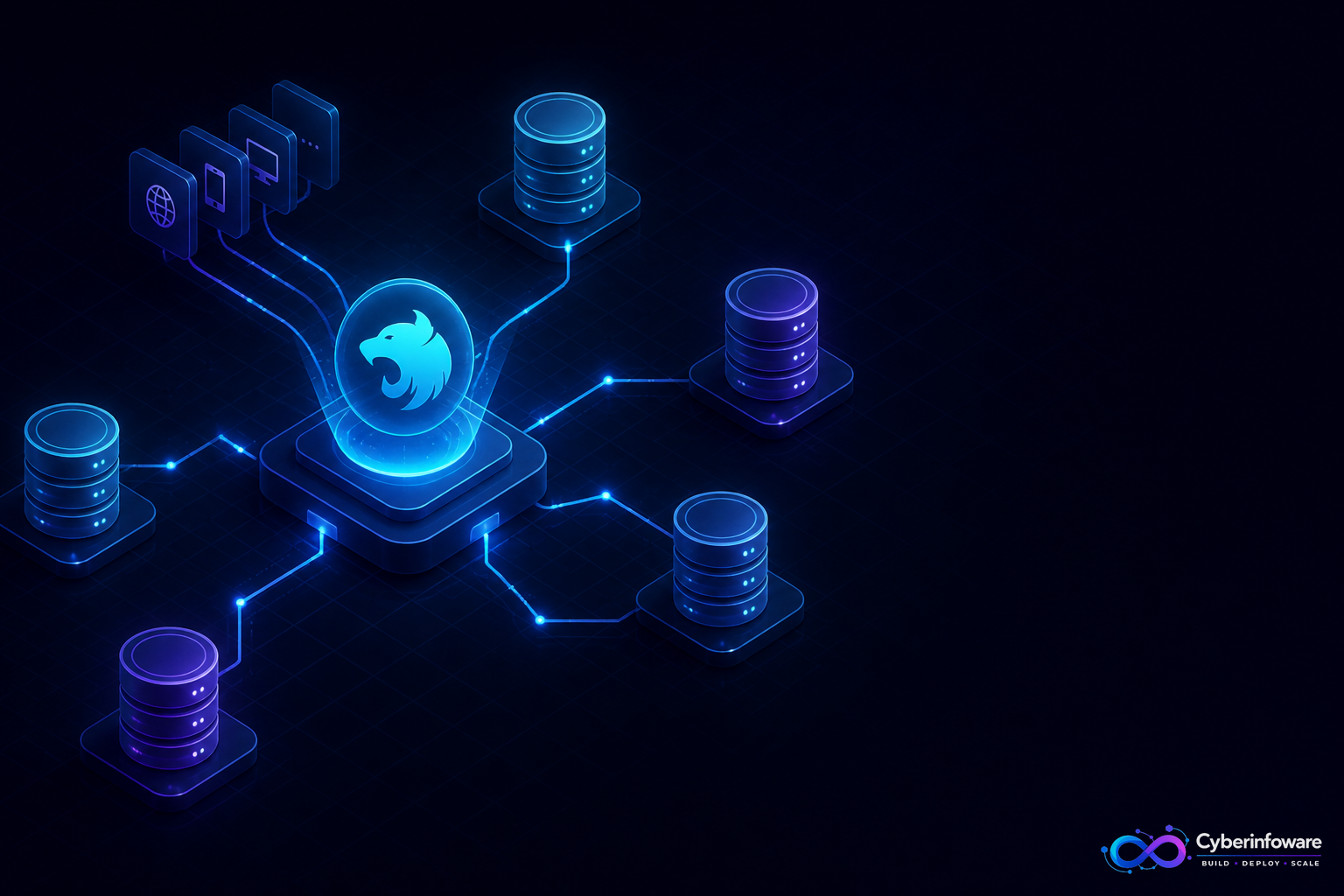
Most B2B founders do not fail because their idea is weak. They stall because the first six months disappear into plumbing: authentication, tenant isolation, billing, admin consoles, Docker, and Kubernetes. By the time the “foundation” feels stable, competitors have already talked to customers.
In 2026, shipping a credible multi-tenant SaaS is less about inventing infrastructure and more about making the right architecture choices early — then spending your runway on product, sales, and retention. This guide walks through those decisions and shows where a production NestJS foundation can compress months of work into weeks.
Why multi-tenant SaaS still takes too long to build
A serious multi-tenant product is not a single CRUD app with a `tenant_id` column. Buyers expect secure login, workspace onboarding, plan-based billing, auditability, and clean operational boundaries.
- Identity & SSO — OIDC, social login, roles, and session security
- Tenant lifecycle — signup, workspace creation, invitations, and isolation rules
- Billing — plans, subscriptions, invoices, and entitlement checks
- Control plane — admin ops, audit trails, and notifications
- Delivery — Docker Compose for local demos, Kubernetes for production paths

Architecture decisions that actually matter
1. Tenant isolation model
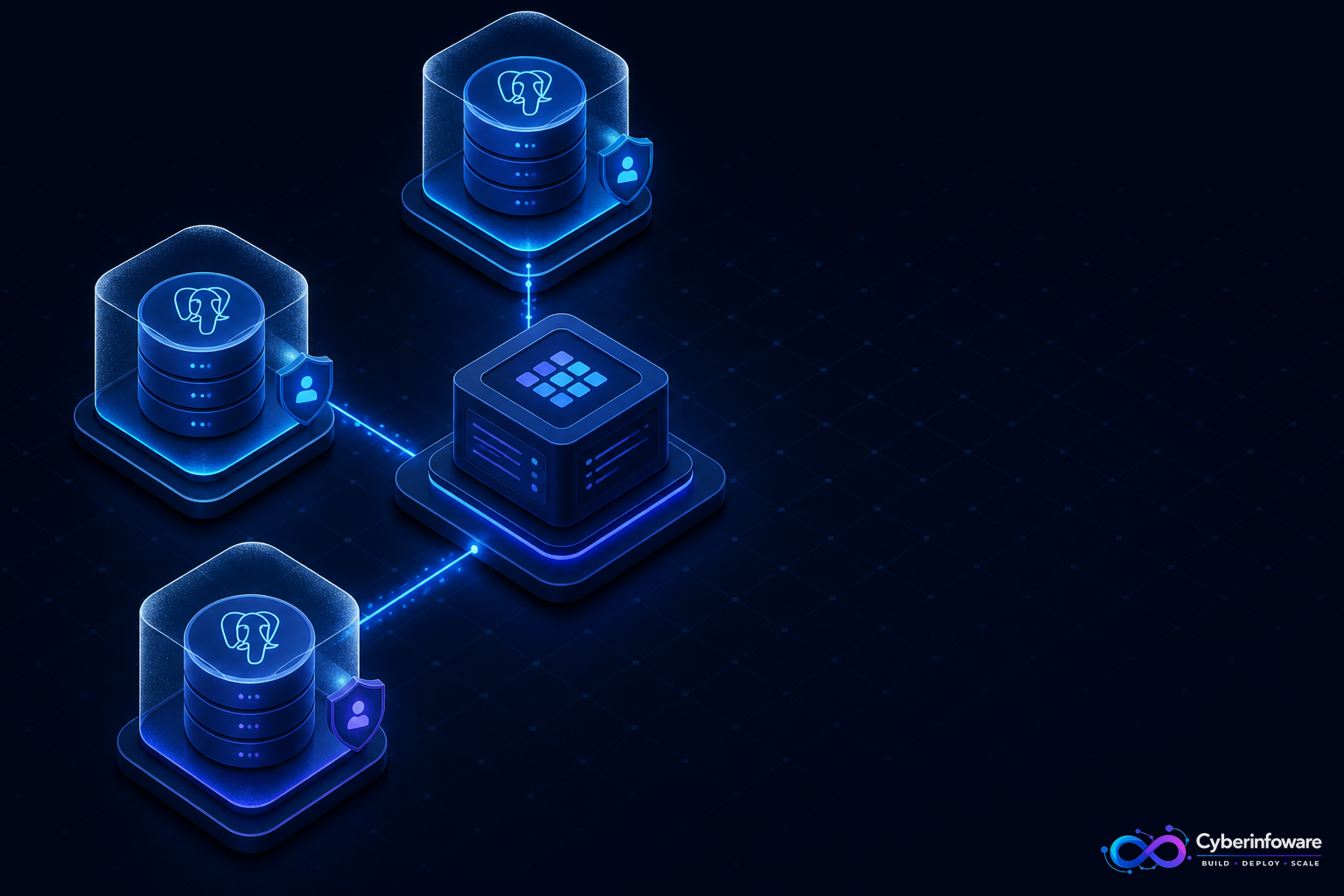
Shared-schema multi-tenancy is fast to prototype and easy to get wrong under compliance pressure. Per-tenant databases cost more to operate but give clearer data boundaries — a strong sales story for healthcare, fintech, HR, and enterprise buyers.
2. One API vs microservices
- Choose unified services when a small team needs speed and simpler debugging.
- Choose microservices when you need service-per-DB boundaries and independent scaling.
- Do not pick microservices only because it sounds impressive in investor decks.
3. Identity and billing before vanity features
Keycloak (or another battle-tested IdP) with OIDC unlocks B2B login expectations faster. Treat billing as part of the control plane so pricing experiments do not require weekend refactors.
A practical 30-day launch sequence
- Week 1 — Stand up the foundation locally (Docker), confirm SSO, create two demo tenants.
- Week 2 — Map domain modules onto the existing API; keep tenancy checks consistent.
- Week 3 — Wire your first paid plan path and admin visibility for subscriptions.
- Week 4 — Run a design-partner pilot, then harden what breaks in demos.
Compare Professional, Enterprise, and Starter on cyberinfoware.com, or contact the team with your use case.
Explore Cyber Infoware packages
Production NestJS SaaS foundations with commercial licensing — pick the architecture that matches your team.
- Multi-Tenant SaaS Boilerplate
Best-seller NestJS multi-tenant SaaS boilerplate — one API, per-tenant databases, billing, and Keycloak SSO.
- Enterprise SaaS Microservices Boilerplate
Full multi-tenant SaaS control plane as NestJS microservices — service-per-DB, billing, audit, notifications.
- NestJS Microservice Starter Kit
Production NestJS microservices — API gateway, Keycloak SSO, RabbitMQ, Docker, Kubernetes, and Terraform.